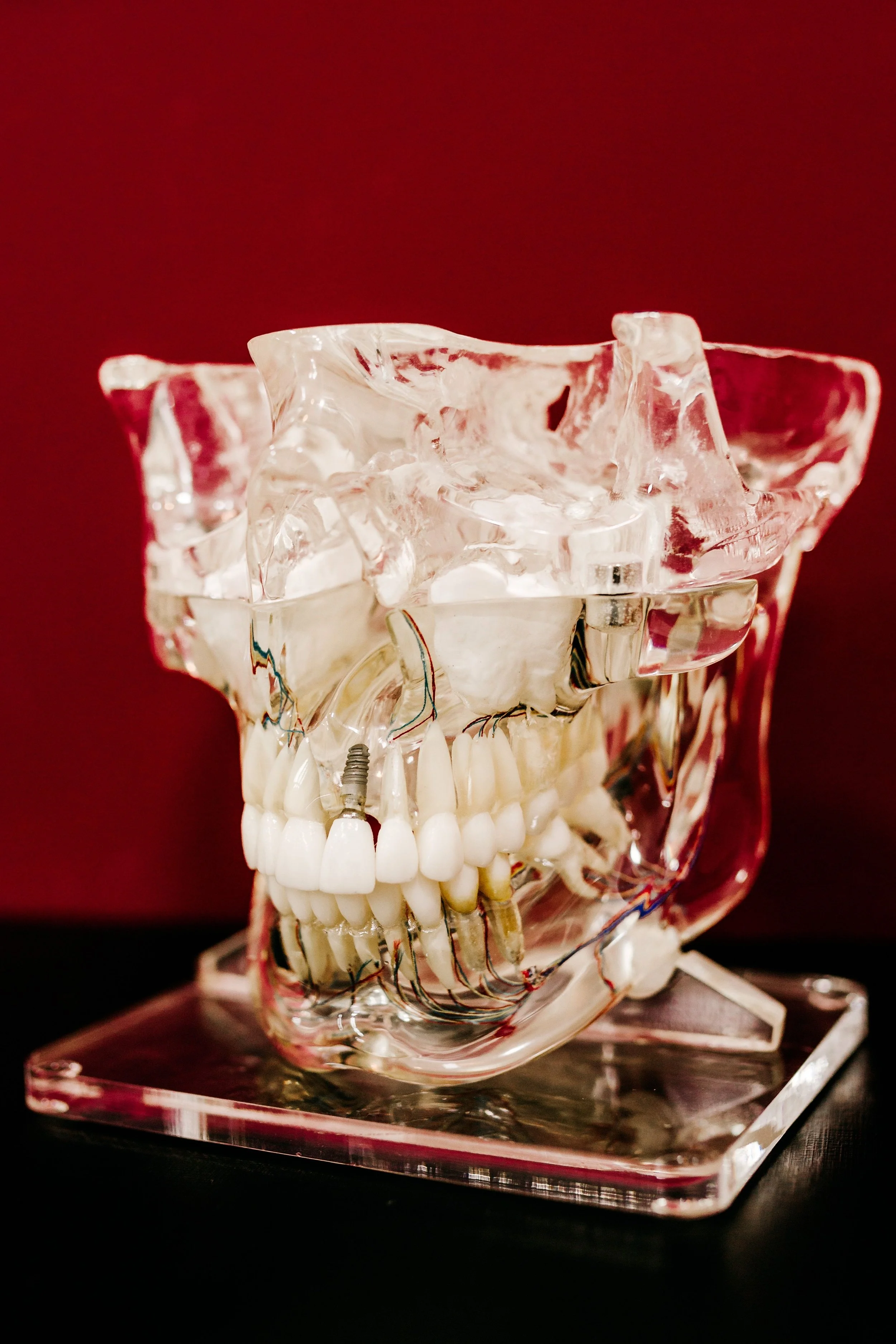
Extracting a tooth is a relatively routine procedure, but what happens afterwards can have lasting implications on your long-term oral health and future treatment options. A bone graft is often recommended at the time of extraction to maintain the jawbone and create a stable foundation for dental implants, bridges or dentures. In this article, we’ll explore what bone grafting involves and whether it should be considered as part of your treatment plan.
What is a Dental Bone Graft?
A bone graft is a procedure that replaces missing or insufficient bone. A specialised collagen matrix is placed into the jawbone to help maintain its shape and volume. This is important for preserving the structure of the jaw and supporting neighbouring teeth.
Following an extraction, the surrounding bone naturally begins to shrink. A bone graft acts as a scaffolding that supports bone regeneration and stabilises the area. During the healing process, the body gradually replaces or integrates with the graft material.
Bone grafting helps minimise the bone loss that occurs after a tooth is removed and increases the viability of future prosthetic treatment. Ideally, a bone graft is done at the time of extraction for optimal long-term outcomes. In cases where a dental implant is considered long after the extraction, a bone graft is usually required to restore bone volume.
What Are the Benefits of Bone Grafting?
Prevents Bone Loss – Helps maintain the natural contours of the jaw by preventing the bone from shrinking or resorbing after tooth removal.
Improves Implant Success – Provides a strong foundation for future dental implants by preserving bone structure, which is essential for long-term stability.
Maintains Facial Aesthetics – Prevents the sunken appearance that can occur due to bone loss, preserving the natural shape of the face and smile.
Promotes Healing – Accelerates the healing process by providing a scaffold for new bone growth and reducing the risk of complications.
Supports Adjacent Teeth – Stabilises surrounding teeth by maintaining bone density, preventing them from shifting or becoming loose after extraction.
Improves Functionality – Maintains proper jaw function, which is crucial for chewing, speaking, and overall oral health.
What is Bone Graft Material Made From?
While it’s often referred to as “bone,” modern bone grafts are not fully formed bone tissue. Instead, they are a collagen matrix that provides a structured framework for natural bone cells to grow into. Bone grafts can be fully synthetic or derived from animal sources, human donors or the patient’s own body. The most common graft materials used in dentistry are derived from porcine or bovine collagen, which is sterilised, processed and chemically stabilised to create a biocompatible material that is safely integrated with the body.
What Happens During a Bone Graft Procedure?
1. Tooth Extraction
The dentist first removes the damaged or decayed tooth. They will carefully clean the socket, removing any debris or infected tissue to prepare the site for the bone graft.
2. Bone Graft Placement
Once the tooth is removed and the socket is cleaned, the dentist places the bone graft into the extraction site. This material is derived from bovine bone that has been processed and treated to ensure biocompatibility and safety for human use.
3. Membrane or Barrier Placement
To protect the bone graft and ensure it stays in place, a membrane or collagen barrier may be placed over the graft material. This helps prevent soft tissue from invading the graft site and gives the bone time to regenerate.
4. Suturing
The gum tissue is then stitched over the graft to hold everything in place and to allow proper healing. The sutures will either dissolve on their own or need to be removed after a week or two.
5. Healing and Integration
The healing process typically takes several months (3 to 6 months or longer). During this time, the grafted bone integrates with the surrounding natural bone. New bone cells grow into the graft material, strengthening the area and preserving the socket.
6. Review Appointments
Regular follow-up visits will ensure the healing is progressing as expected. X-rays may be taken to monitor the bone growth and integration process.
7. Preparation for Future Procedures
Once the bone has healed and integrated, the area is ready for further procedures, such as dental implants, if needed. The bone graft ensures there's sufficient bone structure for stable implant placement.
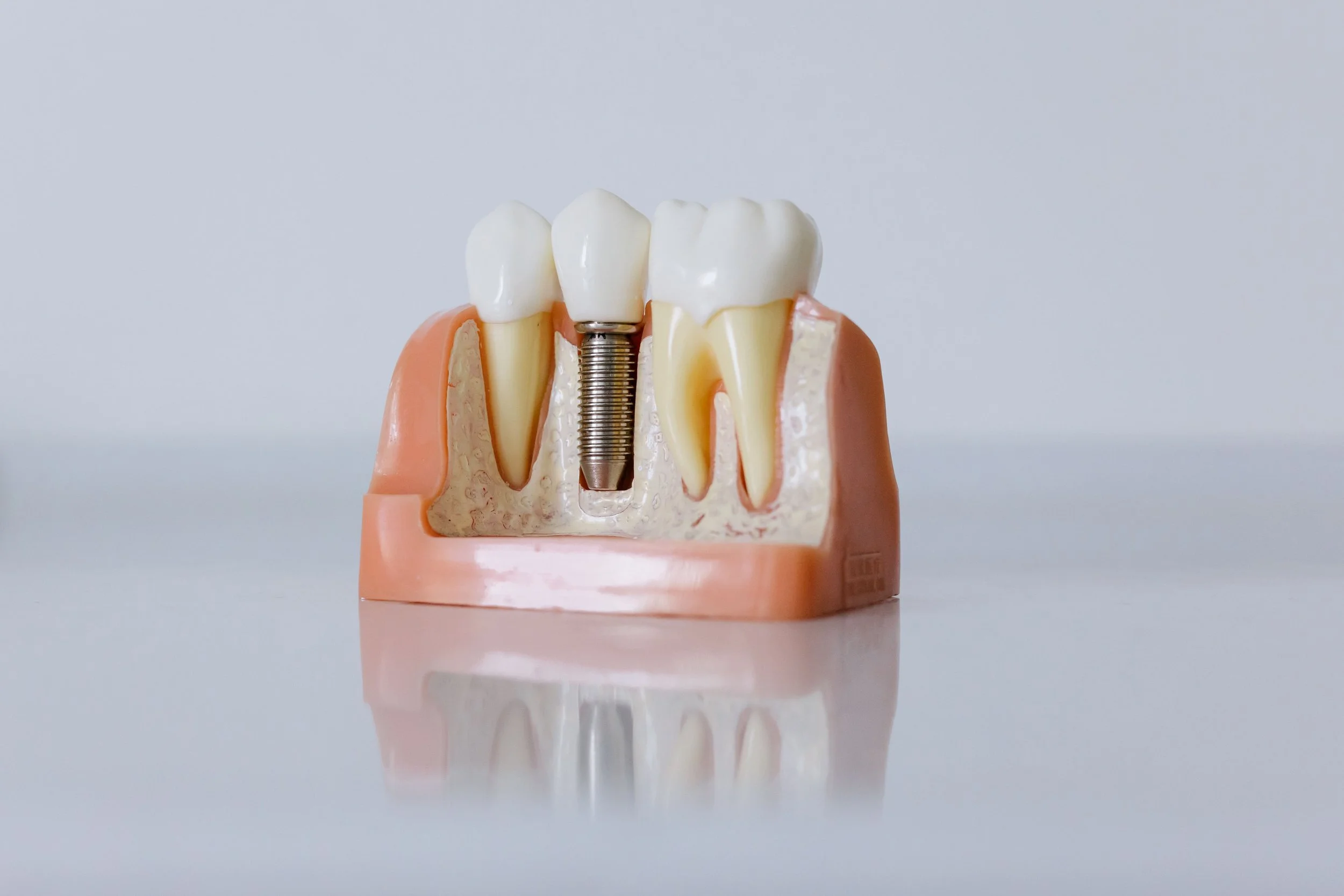
Why Are Bone Levels Important for Dental Implants?
Adequate bone volume is critical for the long-term success of a dental implant because the implant relies on the surrounding jawbone for stability and support. Sufficient bone height and width allow the implant to be positioned correctly and integrate securely with the bone through a process known as osseointegration. When there is significant bone loss, implant placement may be more challenging, less predictable, or require additional procedures to rebuild the area before treatment can proceed.
What If I Choose Not to Have a Bone Graft?
After a tooth is removed, the jawbone around the extraction site begins to resorb because it no longer has the stimulation provided by the tooth. If a bone graft is not done at the time of extraction, this bone loss can occur quickly, with significant changes happening in the first few months.
As the bone shrinks, the surrounding gum tissue can also collapse, leading to functional problems and changes in facial appearance. The jawbone loses density, making future implant placement or wearing dentures more challenging.
If a dental implant is being considered for the future, sufficient bone volume is essential to support it. Without a bone graft, the area may lack the necessary structure to securely hold an implant. This would require a secondary bone graft procedure at a later time, adding extra healing time and cost to the treatment plan.
In cases where a bone graft is performed later, the procedure may be more complex. The longer the delay between extraction and grafting, the more bone loss may occur, and a larger graft may be required to rebuild the bone structure. This is why a bone graft at the time of extraction is highly recommended to provide a strong foundation for future restorative treatments.
Planning Ahead for Long-Term Oral Health
If you’re getting a tooth removed or considering a dental implant or implant-retained denture, it is worth discussing whether bone grafting should be considered as part of your treatment plan. Our experienced dentists can discuss your options in detail so you can make an informed decision that suits your long-term oral health goals.
